We install and repair
- BBQ gas lines
- Appliance gas lines and fittings — ranges, dryers and more
- Outdoor and patio heater gas lines
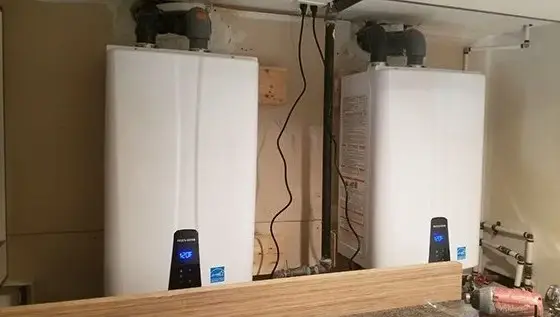
- Gas lines and fittings for water heater installations
- Gas line relocations for renovations
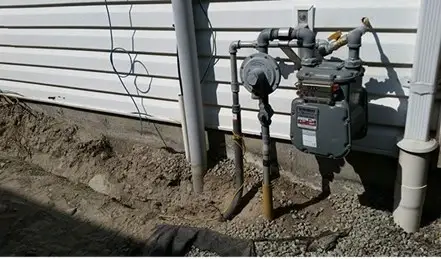
- New natural gas service lines for homes and businesses
Every line is sized correctly for the appliances it feeds and installed by our certified gas fitters.
Popular gas line projects
BBQ and outdoor kitchens
A permanent natural gas line means no more running out of propane halfway through dinner. We add a quick-connect outlet on your deck or patio, or run gas to a built-in outdoor kitchen, like the one in our project gallery.
Gas ranges
Switching from electric to a gas range or cooktop is one of the most popular kitchen upgrades. We run the line and connect and test the new range.
Patio heaters and fire tables
Extend your outdoor season through cool Vancouver evenings with a hard-piped patio heater, fire table or fire pit.
Renovations and additions
Moving a kitchen, finishing a basement or adding a suite? We relocate and extend gas lines to suit the new layout.
How a gas line project works
- We visit, look at your meter and existing piping, and plan the route
- We size the line for every appliance it will feed, now and planned
- We give you a clear, written quote
- We take out the gas permit
- We install and pressure-test the new piping
- We connect and light your appliances and check for leaks
- The work is inspected and on record
Why gas line work must be permitted
In BC, gas piping can only be installed or altered by a licensed gas fitter, and the work generally needs a permit. Permits are issued by Technical Safety BC in most areas, and by some municipalities, such as the City of Vancouver, directly. A permitted, inspected installation protects your family and can matter for your home insurance and when you sell. All of our gas fitters are licensed by Technical Safety BC, and we take care of the permit for you.
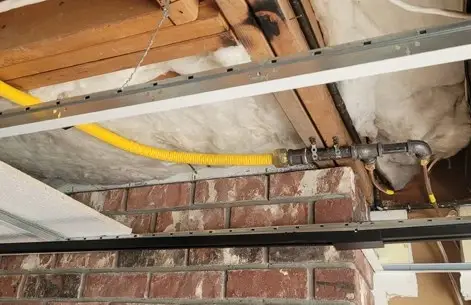
We use the right material for each part of the run: black iron pipe, flexible stainless steel tubing (CSST) where it's the better fit, and polyethylene pipe for buried lines. Each is installed, supported and bonded to code.
Gas line questions
Do I need a permit to install a gas line in BC?
Yes. In BC, gas work has to be done by a licensed gas fitter, and installing or altering gas piping generally needs a permit. Most areas issue gas permits through Technical Safety BC, while a few municipalities, such as the City of Vancouver, issue their own. A permitted job is inspected and on record, which can matter for insurance and when you sell your home.
Can you run a gas line for my BBQ or patio heater?
Yes. A permanent natural gas line means no more swapping propane tanks. We install BBQ, patio heater, range and dryer gas lines, and relocate lines for renovations. Before the line goes in, check that your grill or heater is rated for natural gas, or can be converted with the manufacturer's kit, since propane and natural gas appliances aren't interchangeable.
What are the signs of a gas leak?
Natural gas has an odorant added so it smells like rotten eggs. Other signs include a hissing sound near a gas line or appliance, or dead grass and plants above a buried line. If you suspect a leak, leave right away. Don't use light switches, phones or anything that could spark while inside, and call 911 or your gas utility once you're outside.
How is a gas line sized?
Sizing depends on the total input of every appliance on the line, the length of the pipe run, and the pressure available at your meter. An undersized line can starve appliances, causing weak flames and poor performance, especially when several run at once. That's why adding an appliance sometimes means upgrading existing piping. Our certified gas fitters size every line for what it feeds.
Is natural gas cheaper to run than electricity?
Often, yes. Natural gas is the preferred fuel for furnaces, water heaters, fireplaces, ranges and more, and compared with electricity, oil or propane it can save you around 50% in operating costs. Actual savings depend on current utility rates, how efficient your appliances are, and how you use them.